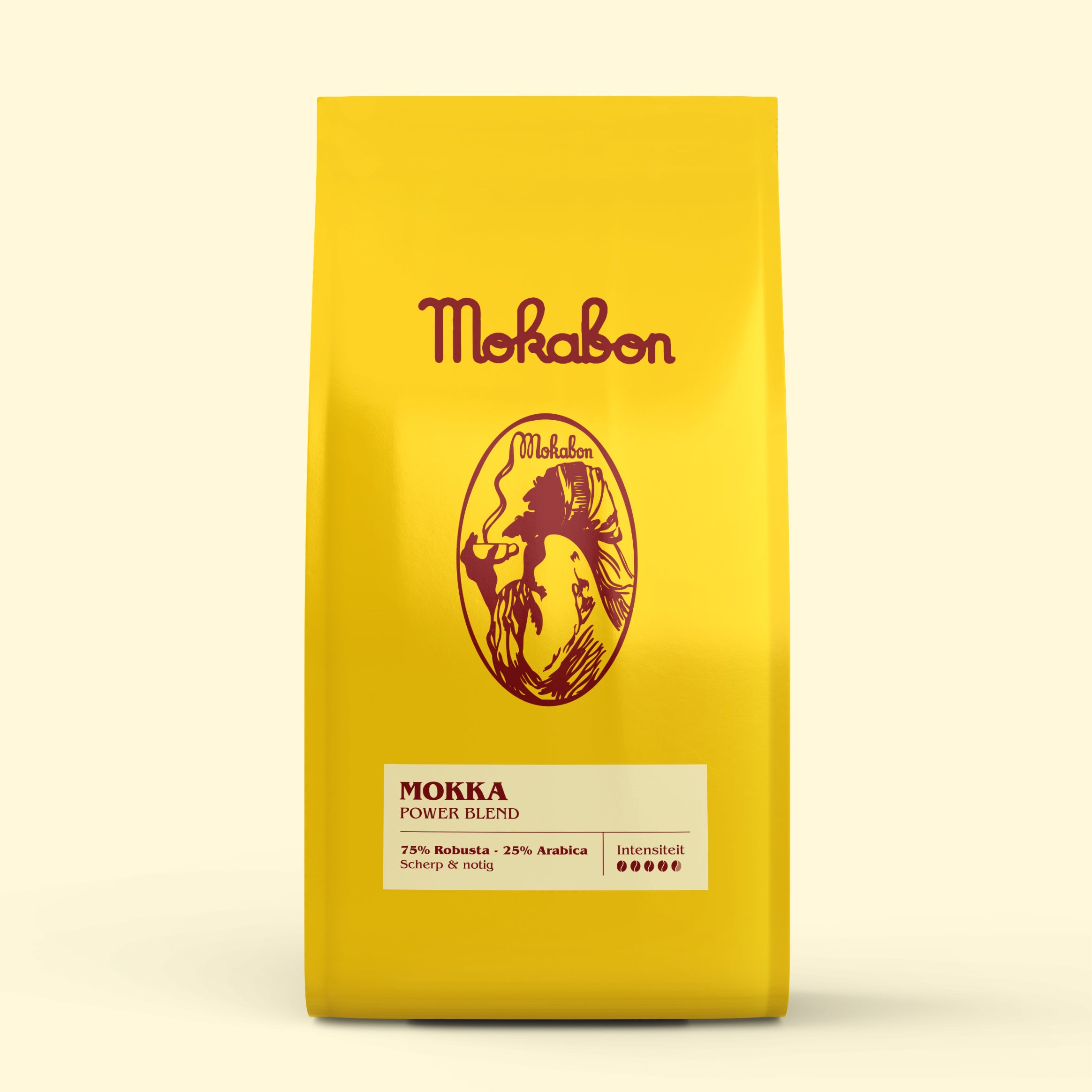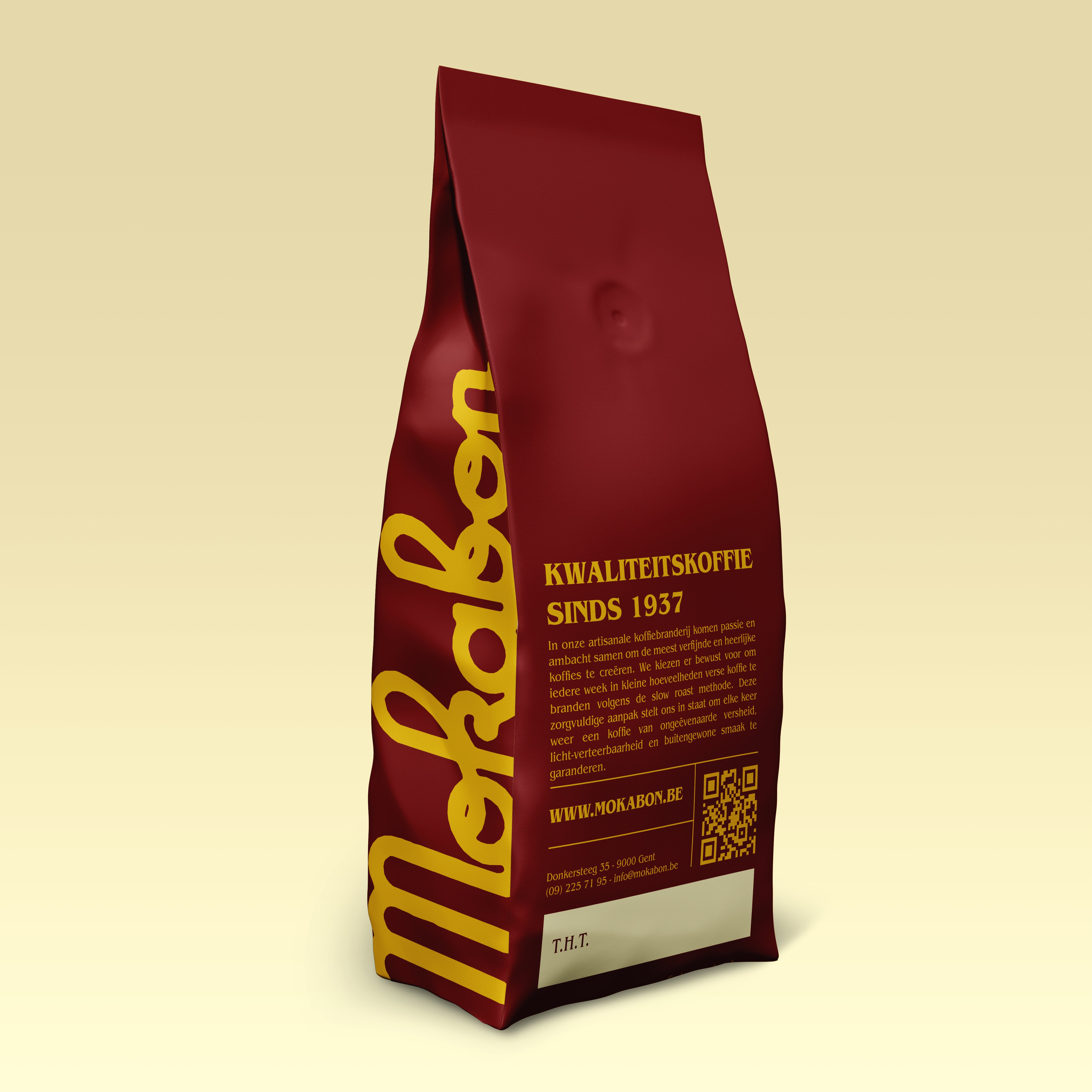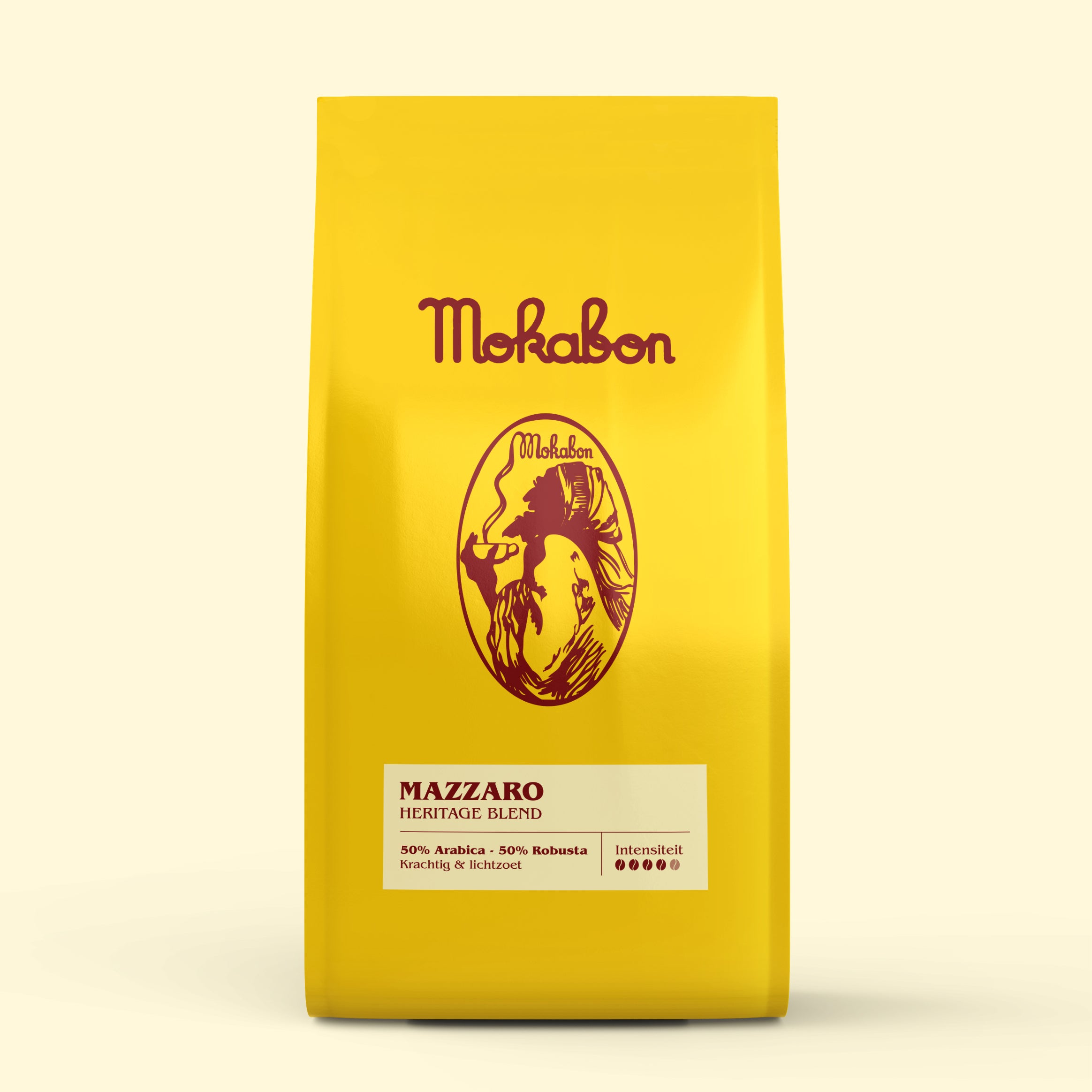

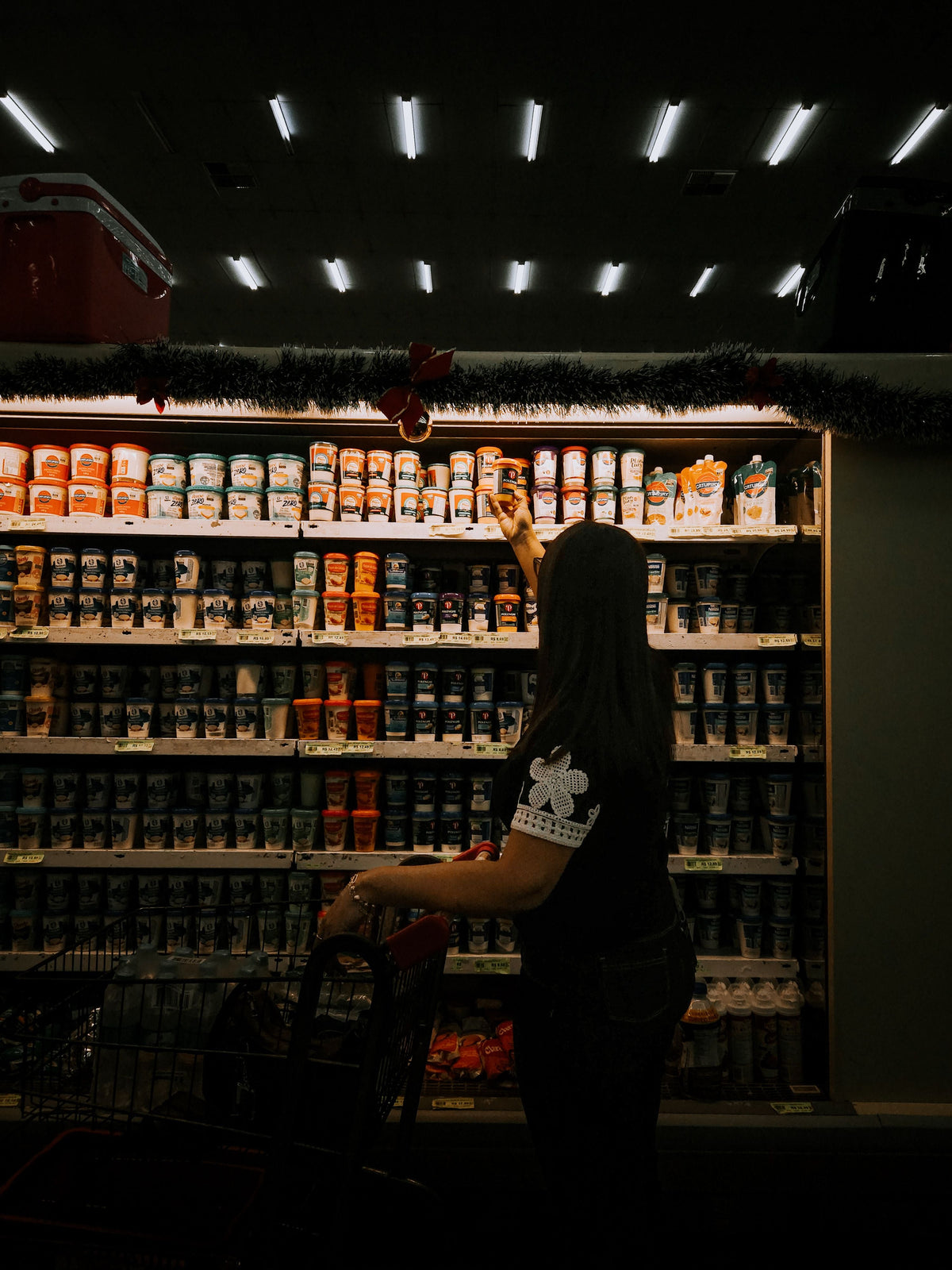
Is coffee straight from the roastery worth the extra money compared to supermarket coffee? For anyone who drinks coffee every day, usually yes. The price difference per cup is smaller than you think: often just a few cents. In return, you get freshly roasted beans with more flavour. At Mokabon, a Ghent coffee roastery since 1937, we do the maths honestly for you below.
What is the difference between supermarket coffee and coffee from a local roastery?
The biggest difference is not in the packaging, but in how and when the beans are roasted. Supermarket coffee is usually roasted in large factories, in huge quantities at once. It then goes to a warehouse and only later onto the shelf.
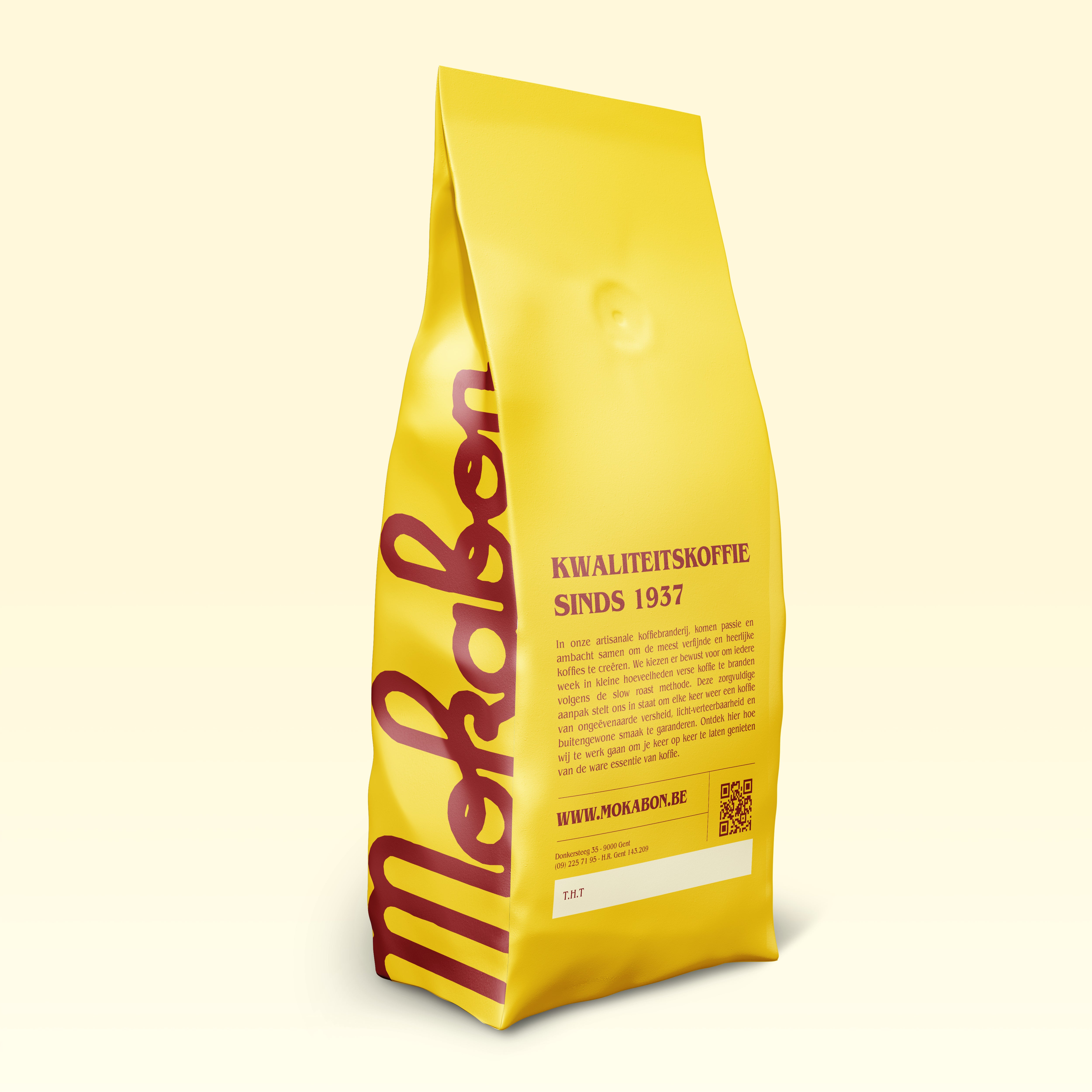
At an artisanal roastery, things are different. We roast our coffee every week, slowly and in small batches. That way the roaster can fine-tune each bean and each blend. You can read more about this in our article on craft coffee vs. industrial coffee.
That does not make supermarket coffee bad coffee. There are perfectly good bags on the shelves, and they are convenient and available everywhere. But they are two different products, each with its own strengths.
Freshness: why you can really taste the difference
Coffee beans are full of aromas. These slowly start to fade as soon as the beans are roasted. The longer the coffee waits, the flatter the taste becomes.
- Supermarket: the bag usually shows a best-before date, but rarely the roast date. So you don’t know how long the beans have been on their way.
- Roastery: the coffee is roasted every week, so it reaches your home much sooner.
Freshly roasted coffee smells stronger when you open the bag. It gives more crema on an espresso and has a fuller, rounder taste. Do store your beans properly afterwards, or you lose that advantage. Our tips are in what is the best way to store coffee?
What does a cup of coffee really cost? An honest calculation
A bag from the roastery costs more per kilo. But what does that mean per cup? We calculate with 8 grams of coffee per cup. That is also what the Dutch consumer association (Consumentenbond) uses in its price surveys.
According to the Consumentenbond’s price survey of April 2026, a cup of supermarket bean coffee cost €0.18 on average. With the cheapest one-kilo bags, it came to about €0.08 per cup.
Here is how it looks at Mokabon (prices from our webshop):
- Mysore, 1 kg (€28.40): about €0.23 per cup
- Grande Aroma, 1 kg (€27.80): about €0.22 per cup
So the difference compared to an average supermarket bag is around 4 to 6 cents per cup.
What does that mean per month?
Say you drink two cups a day at home. That is about 60 cups a month.
- With average supermarket beans (€0.18 per cup), you pay about €10.80 a month.
- With Mysore by the kilo on a subscription, you pay about €13 a month.
- The difference: about €2 a month, or around €25 a year.
For comparison: a single espresso in a coffee bar easily costs more than that entire monthly difference. So drinking coffee at home is still much cheaper, but with freshly roasted coffee.
Do you really want the lowest possible price? Then the cheapest supermarket bags win. If taste matters most to you, the roastery costs only a small extra per cup.
Taste and choice: a blend that suits you
In the supermarket, you usually choose between “mild”, “aroma” or “strong”. At a roastery, you get more explanation about what is in your cup: which beans, where they come from and how they taste.
Two examples from our range:

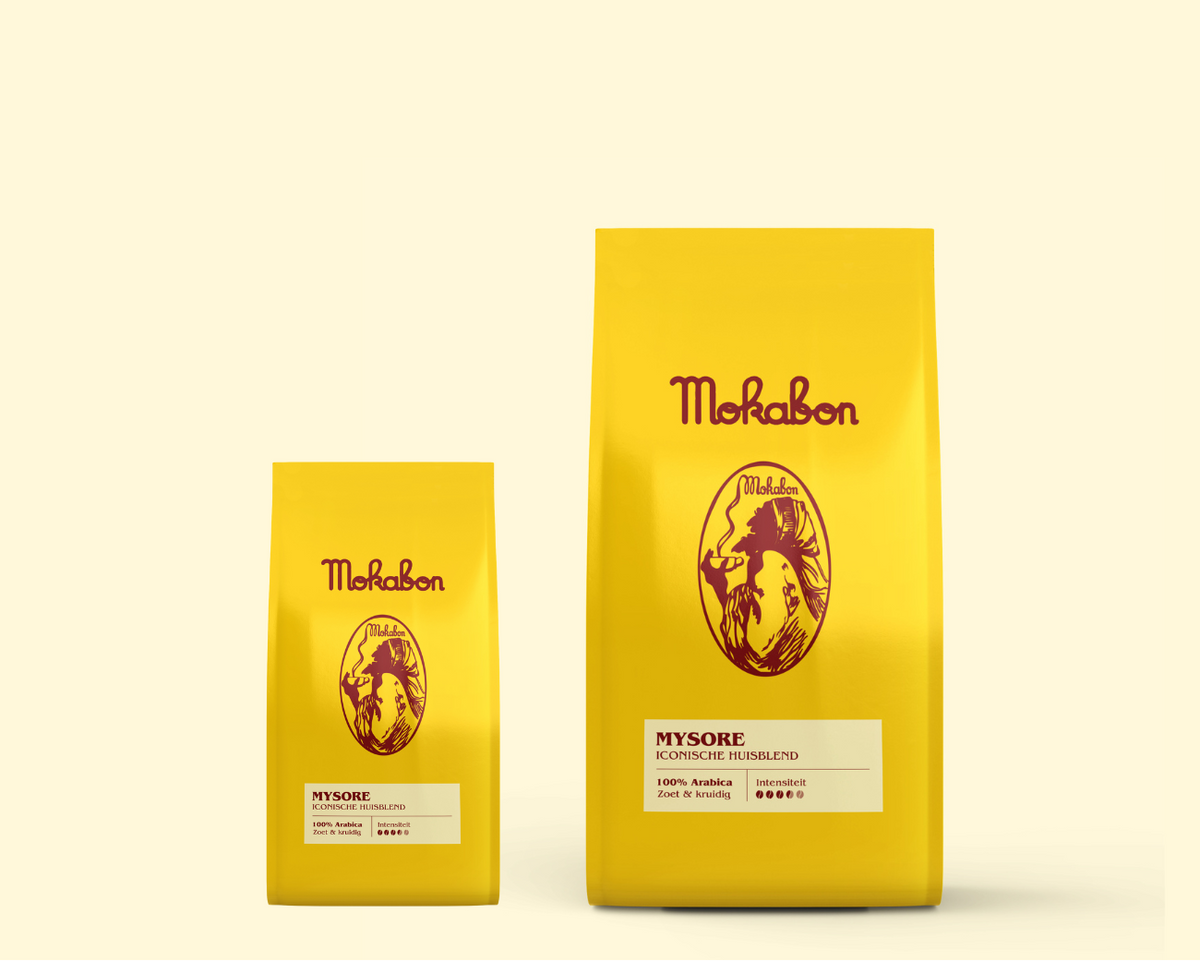
Mysore is our iconic house blend. It consists of six 100% Arabicas from Central and South America and India. The taste is spicy and gently sweet, with a velvety finish. A coffee for every day, black or with milk.

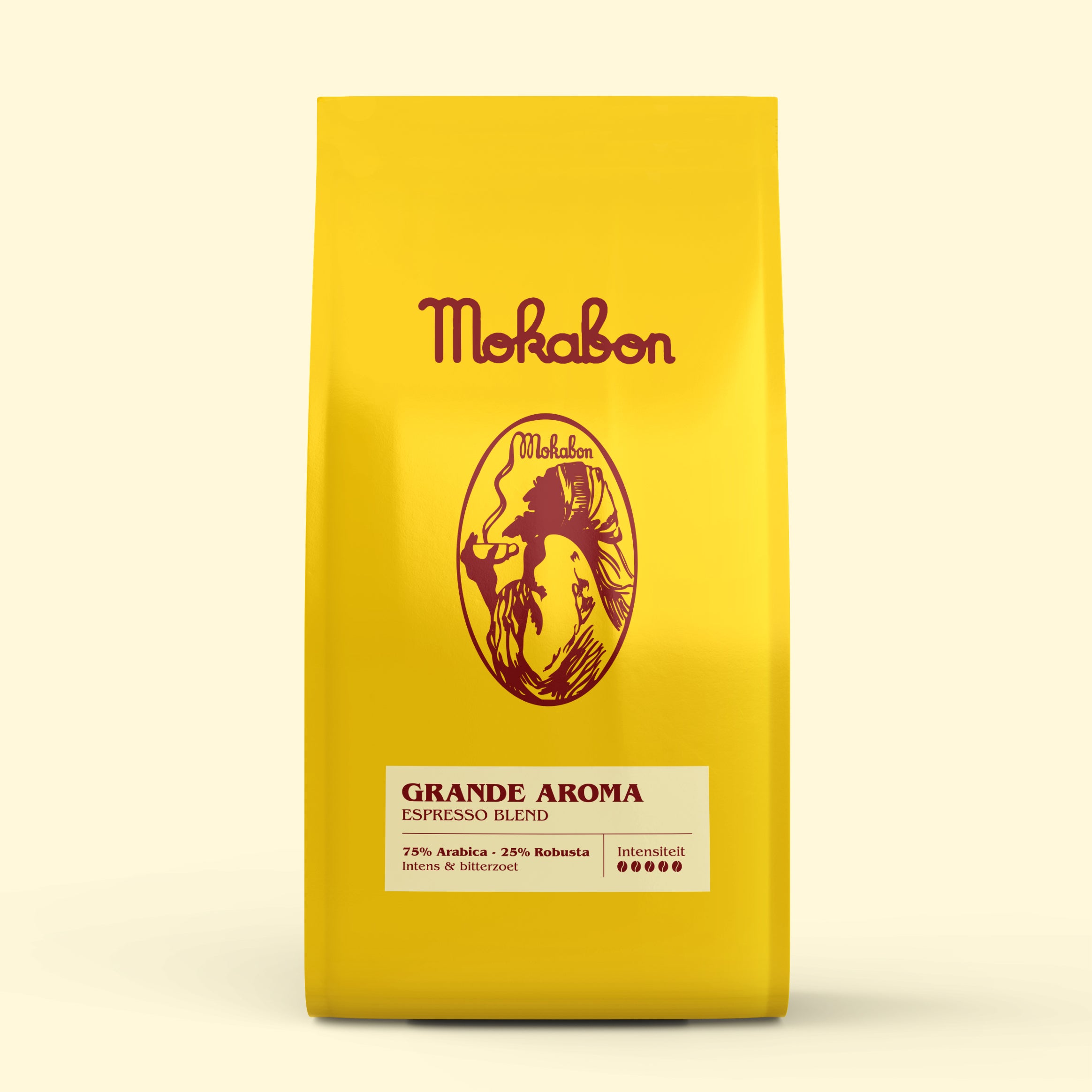
Grande Aroma is our espresso blend: 75% Arabica and 25% Robusta. Full and powerful, with a rich aroma and a creamy finish. Ideal if you have an espresso machine or bean-to-cup machine at home.
Not sure which coffee suits you? Then read our guide Choosing the best coffee beans. There we explain blends, origins and grind step by step.
Grind: another difference you can taste
In the supermarket, you mostly find whole beans or one standard grind. At Mokabon, you choose the grind for your machine: espresso, filter, French press or Bialetti.
It sounds like a detail, but it makes a big difference. Coffee that is ground too fine quickly turns bitter; coffee that is ground too coarse tastes watery. Do you have a grinder or a bean-to-cup machine? Then choose whole beans. They stay fresh the longest.
When is supermarket coffee a good choice?
We are a roastery, but we want to stay honest. Supermarket coffee can be a perfectly good choice if:
- you only drink coffee now and then and a bag stays open for months;
- you mostly drink your coffee with lots of milk and sugar;
- the lowest price per cup matters most to you.
Do you drink coffee every day and really enjoy your cup? Then the difference in taste is usually bigger than the difference in price.
How to make the switch without risk
Want to taste the difference for yourself? Start small:
- Taste first. With the Discovery Box (Blends), you discover four of our blends: Mysore, Mazzaro, Grande Aroma and Dessert, 300 g each.
- Pick your favourite. Notice what you like best: smooth, spicy or bold.
- Save with a subscription. Get your favourite on a coffee subscription. You get 5% off and free shipping, and you can pause whenever you like.

You can read exactly how such a subscription works in Coffee subscription: how does it work and is it more affordable?
Frequently asked questions
What are the best supermarket coffee beans?
That depends on your taste and your machine. Look mainly at the best-before date: the further in the future it is, the more recently the bag was usually roasted. Preferably buy smaller bags that you finish quickly.
Is roastery coffee much more expensive?
Per kilo, yes; per cup, it is not too bad. At 8 grams per cup, you pay about €0.22 to €0.25 at Mokabon. According to the Dutch Consumentenbond, an average supermarket cup cost about €0.18 in April 2026.
How long do coffee beans stay fresh?
Coffee beans taste best in the first weeks after roasting. Store them airtight, cool and dark, and only grind them just before brewing.
Where is Mokabon coffee roasted?
In Ghent. We roast our coffee ourselves every week, slowly and in small batches. In 2024, Mokabon won the Gouden Boon Award for best coffee.
Taste the difference for yourself
The best proof is in your cup. Discover all our coffees, or start with a tasting box. Shipping is free in the Benelux from €59, and always with a subscription. Prefer to taste at the counter first? You are welcome at our coffee bar at Donkersteeg 35 in Ghent.